Pull up Vista's housing numbers this month and you'll get two irreconcilable headlines from two credible-looking sources. One tracker puts the median list price at $884,000 in August 2026, down 2 percent from both the month before and the year before. Another, pulling data from the same week in August, lands on almost the identical dollar figure, $883,373, but calls it a 4.4 percent gain over the past twelve months. A third estimate, current as of the end of June, has Vista's typical home value at $817,070, down 3.6 percent year over year.
Three numbers. Nearly the same price level. Three different directions of travel.
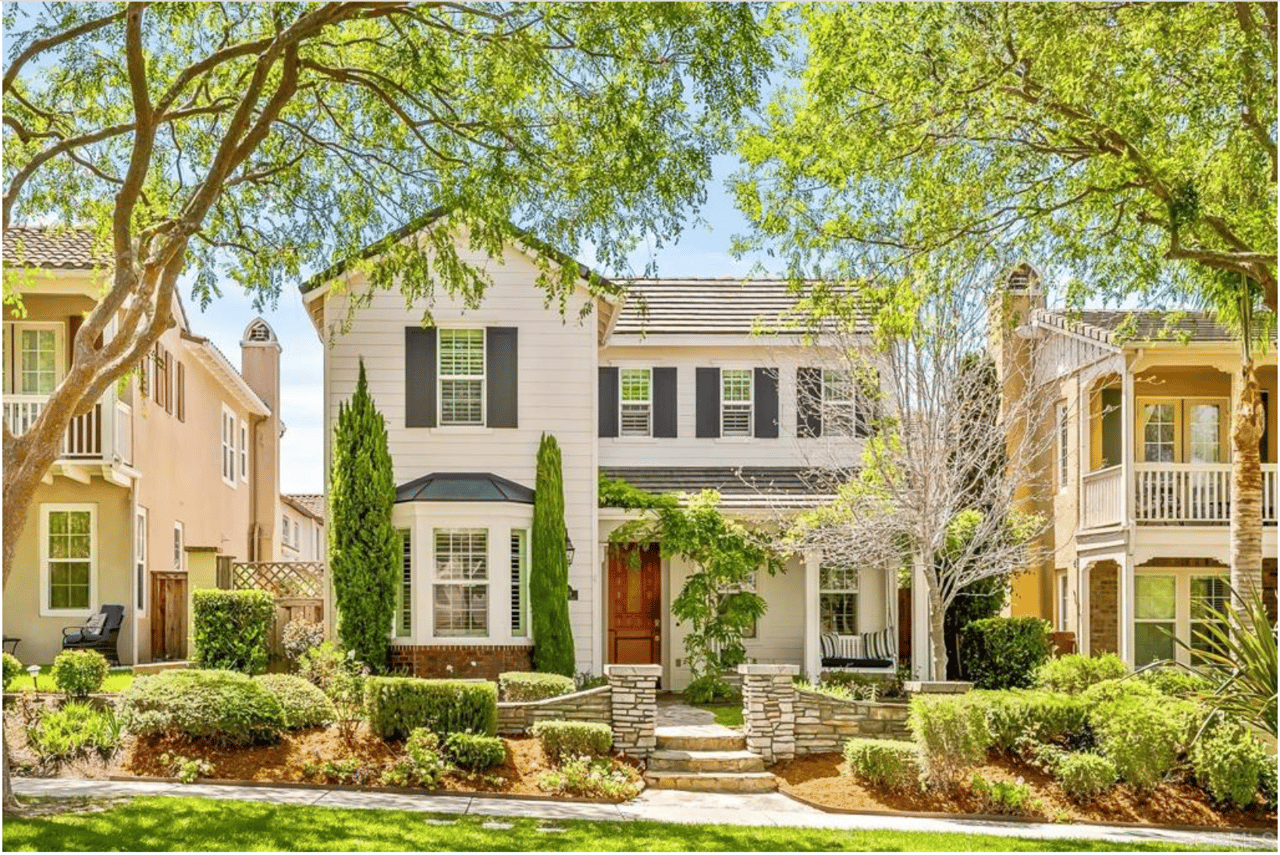
If you're comparing Vista against Carlsbad or San Marcos from a spreadsheet of median prices, this is the point where the spreadsheet stops helping you. The contradiction isn't a glitch in one of the tools. It's a symptom of what Vista actually is under the hood: three distinct housing products sharing one ZIP code and one headline number, and a monthly sample small enough that whichever product happens to close pulls the median in a different direction.
Same City, Three Different Products
Drive across Vista and you'll pass through the source of the confusion without a sign telling you it happened.
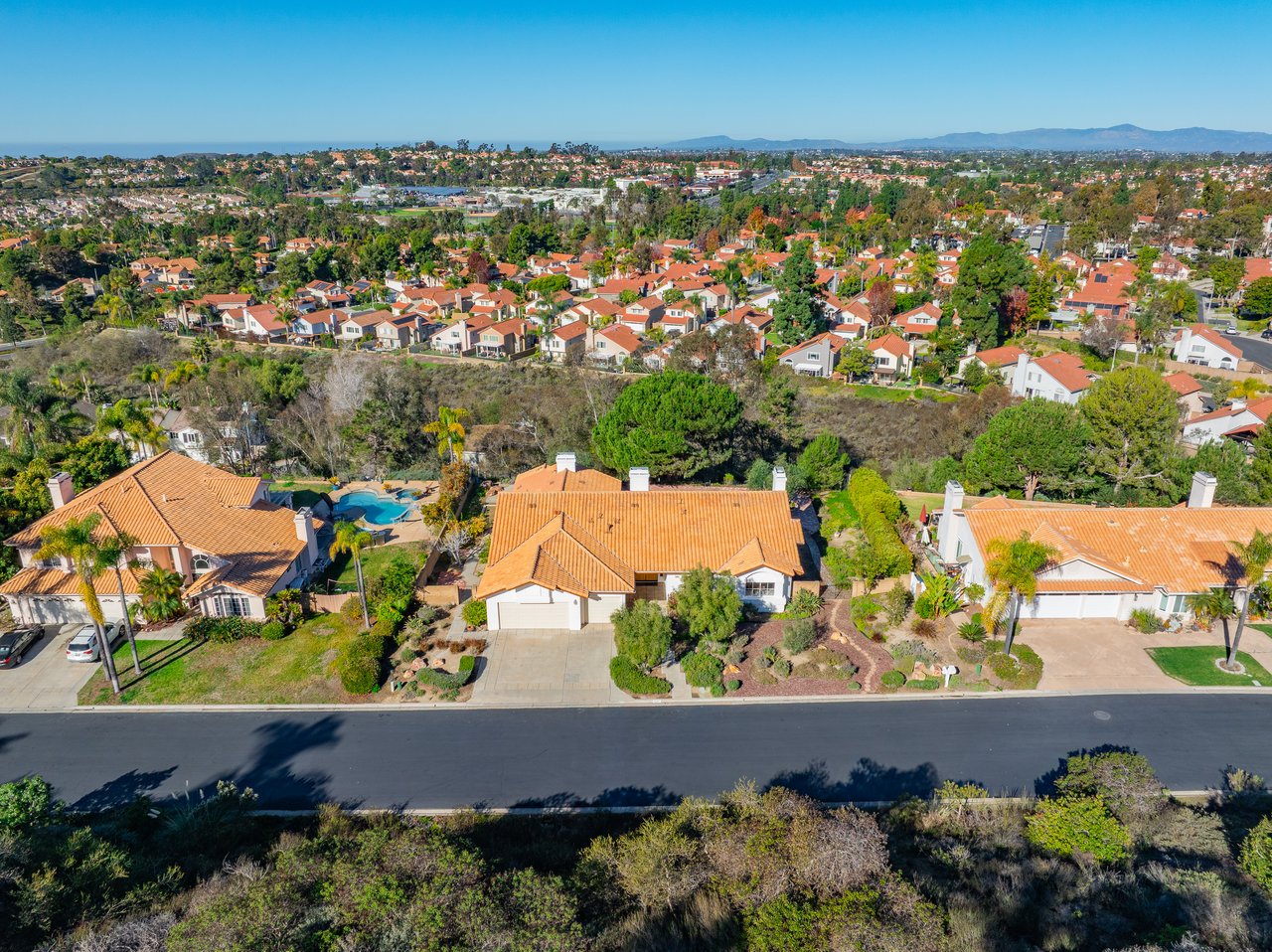
South of Highway 78 sits Shadowridge, a master-planned community built out through the 1980s and 90s around an 18-hole golf course, with its own web of homeowners associations governing everything from the gated enclave of Stonegate down to smaller townhome pockets. Prices inside Shadowridge run from roughly $700,000 up past $2 million, with Stonegate commanding the top of that range. What Shadowridge homes generally don't carry, unlike a lot of newer North County construction, is a Mello-Roos assessment. Those special tax districts got layered onto later phases of development across the region, but Shadowridge predates most of that financing structure, so buyers comparing it against newer product elsewhere should expect a different line item on the property tax bill, not just a different sticker price. Anyone weighing that trade-off should still confirm current parcel status directly, since assessments can be added or restructured over time.
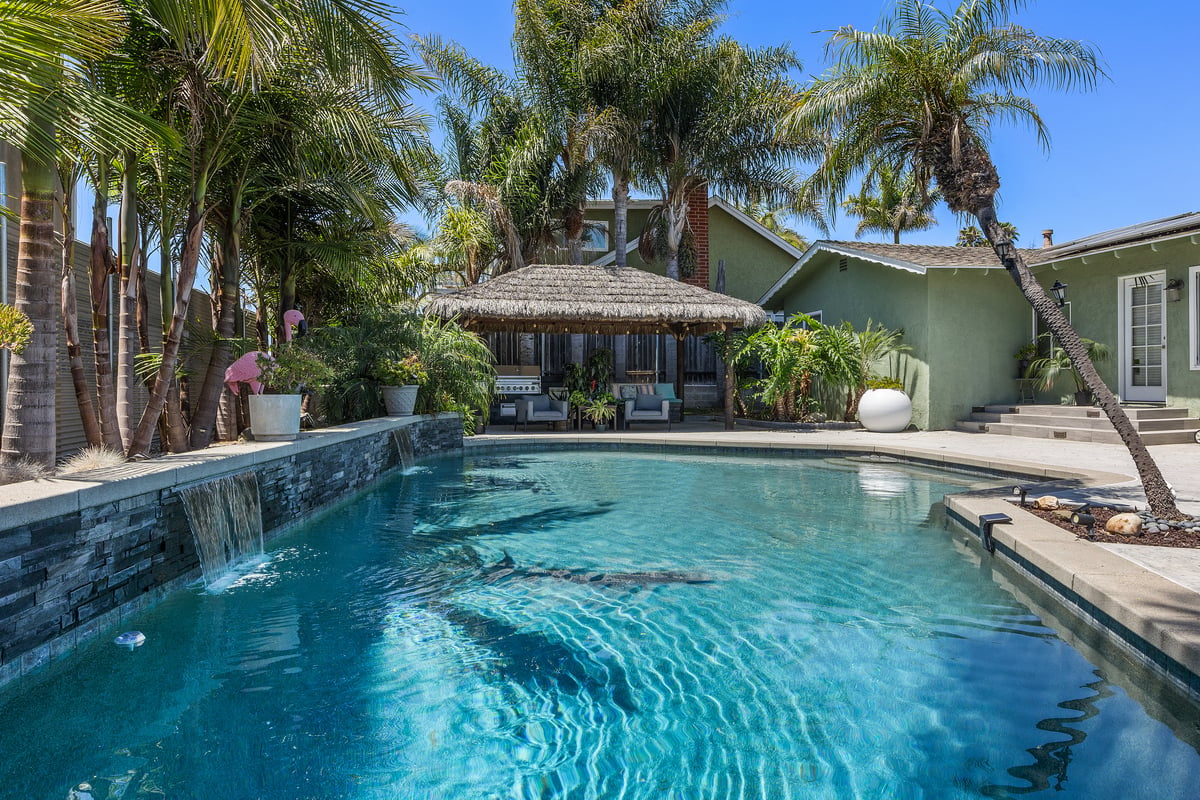
Move east and north into the hills around Buena Creek and you're in a different market entirely. These are no-HOA parcels, often irregular in shape, sized for a workshop, an RV pad, a few fruit trees, or a detached guest unit. There's no golf clubhouse and no monthly assessment. There's also no clean comparable sale to point to, because every lot is a little different and inventory here turns over slowly. A buyer shopping this pocket isn't paying for a planned community. They're paying for land, privacy, and the flexibility to build something an HOA elsewhere would never approve.
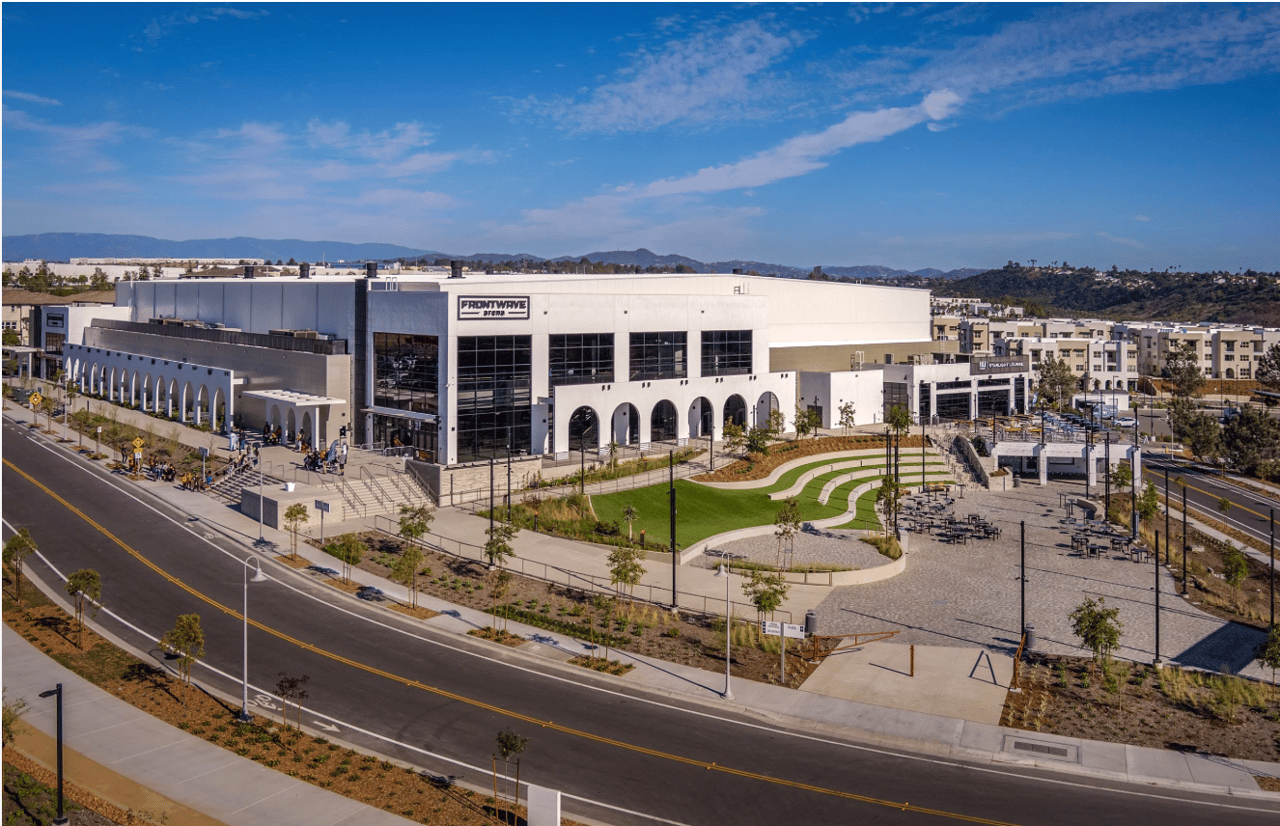
And then there's Downtown Vista and the Paseo Santa Fe corridor, a walkable strip near the Sprinter light rail line that connects Vista to Oceanside's Coaster train and to Cal State San Marcos. This is the one segment of the three that isn't just responding to buyer demand. It's actively being rezoned.
Submarket | Character | HOA / Mello-Roos | Approximate Price Band (2026) | What's Driving the Signal |
|---|---|---|---|---|
Shadowridge | 1980s-90s planned community, golf course frontage | HOA per neighborhood; generally no Mello-Roos | ~$700K to $2M+, higher in Stonegate | Established resale comps, HOA-governed consistency |
Buena Creek / eastern hills | Custom homes on larger, irregular no-HOA lots | No HOA, no standard assessment | Wide range, priced by lot and improvements | Thin inventory, ADU and workshop potential |
Downtown Vista / Paseo Santa Fe corridor | Walkable, transit-adjacent, redeveloping | Varies by parcel; new construction may differ | In flux as rezoning proceeds | Active public rezoning and private redevelopment |
Why the Trackers Disagree
Once you see the three products side by side, the contradiction at the top of this piece stops looking like a data error and starts looking like arithmetic. A median is only as stable as the mix of sales feeding it. Vista closes a modest number of transactions in any given month, small enough that a run of Shadowridge resales closing in one window and a quiet month for hillside acreage in another can shift the reported median without a single seller actually changing their asking price.
The tools measuring this also aren't measuring the same thing. One tracker reports the median list price of what's actively for sale that month, which reacts quickly to whichever segment happens to be listing heavily. A modeled home-value estimate works differently, smoothing across the broader housing stock and updating on its own lag, which is part of why it can show a decline even while asking prices elsewhere tick up. A third figure comes from an automated forecasting tool that leans on trailing trend lines rather than a fresh pull of closed sales. None of these approaches is wrong. They're just answering slightly different questions, and Vista's split-personality housing stock is exactly the kind of market where those different questions produce different answers.
The one number that didn't move much across sources is time on market. Listings sat a median of 69 days in August 2026, unchanged from the same month a year earlier. That's worth sitting with: buyers aren't suddenly moving faster or slower through the process. What's shifting is the price story layered on top of a pace that's actually stayed steady, which is a strong sign the disagreement lives in methodology and mix, not in any real change in how urgently people are buying or selling.
The Corridor That's Being Rezoned While You Watch
Downtown Vista deserves its own paragraph because it's the one segment where the price signal isn't just a function of what's selling. It's a function of what the city is actively deciding to allow.
Vista's General Plan update, known as Vista 2050, spent 45 days in public review starting February 27, 2026, closing April 13. The draft plan designates roughly 428 acres across 546 parcels for mixed-use development, concentrated in the corridor that runs between the Sprinter rail line and South Santa Fe Avenue and along stretches of East Vista Way. That's not a rezoning tucked into a side street. That's a meaningful share of the downtown footprint being reclassified while current owners hold their properties.
Private capital has already been moving into the same corridor ahead of the public process. Development activity along South Santa Fe and Broadway has converted older commercial buildings, including a former salon site, into new residential and retail uses, part of a broader push tied to the area's federal Opportunity Zone designation. The city backed that momentum with hard infrastructure spending too: a $19.3 million project widened Vista Village Drive from four lanes to six, rebuilt more than 10,000 linear feet of trunk sewer line, and added a transit station building alongside the rail crossings.
Vista's Economic Development Director, Kevin Ham, put the city's intent plainly when describing the corridor's direction.
The goal is to enhance everyday life, vitality, safety, and improve mobility throughout Downtown.
For a buyer, that combination of public rezoning and private redevelopment cuts both ways. A parcel inside the mixed-use overlay may carry more long-term upside than a comparable lot in an established, already-built-out neighborhood. It may also mean more construction noise, more permitting uncertainty, and a redevelopment timeline that doesn't match your own. Either way, it's the reason downtown Vista's price behavior won't track Shadowridge's or Buena Creek's, and won't for as long as the plan is actively reshaping what can be built there.
What to Actually Ask Before You Anchor to a Number
A citywide median is a fine starting point for a Google search and a poor anchor for an offer. Before you let any single figure set your expectations for Vista, get specific answers to three questions:
- Which of the three submarkets is the property actually in, and is the comp set you're being shown drawn from that same submarket, or from Vista as a whole?
- Does the parcel carry an HOA, a Mello-Roos assessment, or both, and how does that change the real monthly cost versus a comparable home in a different pocket of the city?
- If the property sits inside or near the downtown corridor, has it been touched by the Vista 2050 rezoning, and what does that mean for what could be built next door in the next several years?
None of these questions show up in a median price. All three show up in escrow.
A Few Questions Worth Asking Directly
Does every home in Shadowridge skip Mello-Roos? Generally, yes, since most of the community predates the wave of special tax districts common in newer North County developments. That's a general characteristic of the neighborhood's build era, not a guarantee for any specific parcel, so confirm current assessment status through escrow before assuming either way.
Can I actually build an ADU on hillside acreage near Buena Creek? Larger, irregular lots in that part of Vista are commonly marketed with exactly that potential, but lot size, slope, septic or well status, and current zoning all factor into what the city will approve. Check with Vista's Community Development counter on the specific parcel before you count on it.
How would the downtown rezoning affect a home I already own or am considering near Vista Village? The Vista 2050 update designates a meaningful stretch of the corridor for mixed-use development, which can change what gets built on neighboring parcels over the coming years. It's worth checking whether your specific address falls inside the affected boundary rather than assuming based on the neighborhood name alone.
Vista rewards buyers who know which of its three markets they're actually shopping. A median price can start that conversation. It can't finish it.
If you're weighing Vista against another North County city, or trying to figure out which of its pockets fits your budget and your plans, Kelly Levine and the Graham and Kelly Levine team can walk through the current inventory with you street by street. Schedule a Strategy Session to get a read on the specific parcel or neighborhood you have in mind, not just the citywide average.