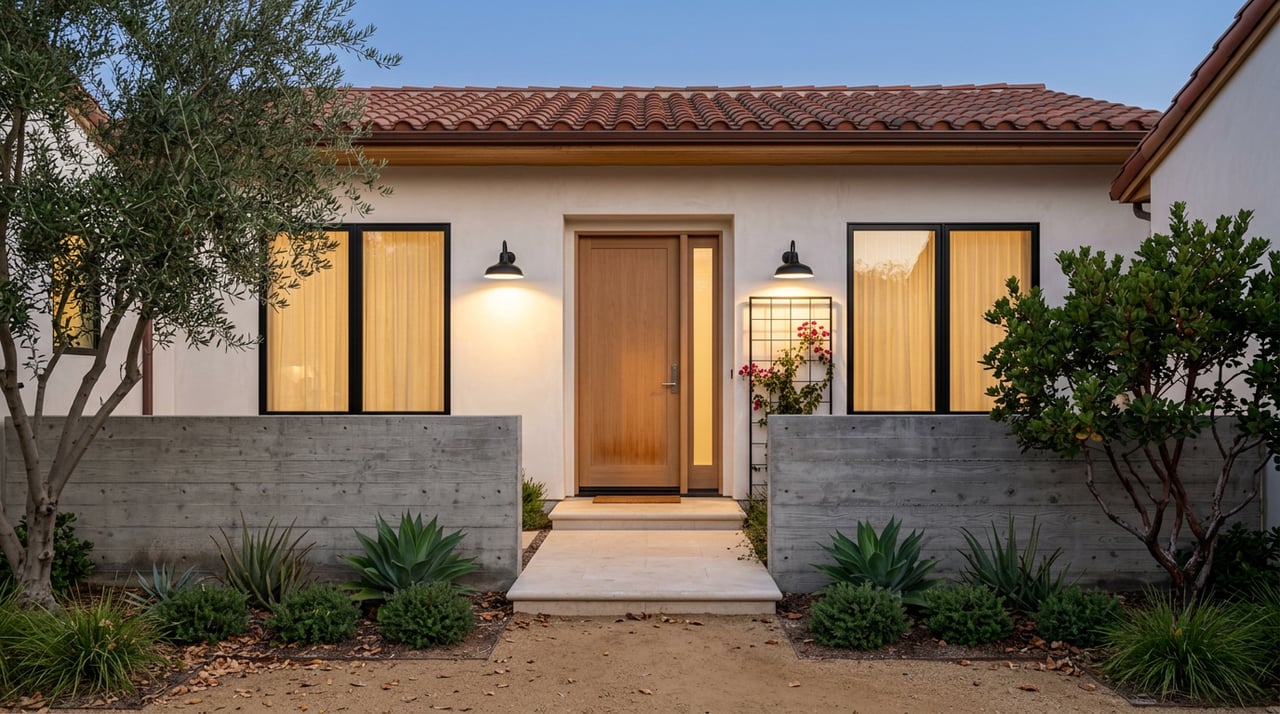
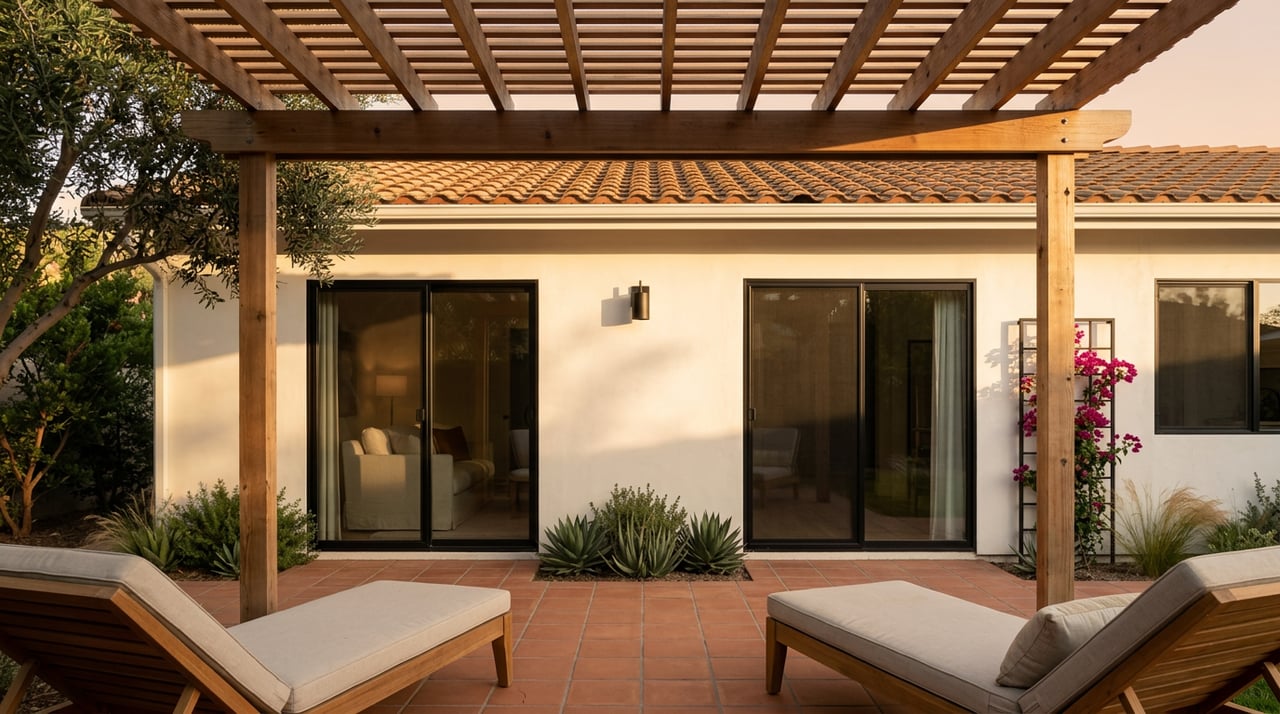
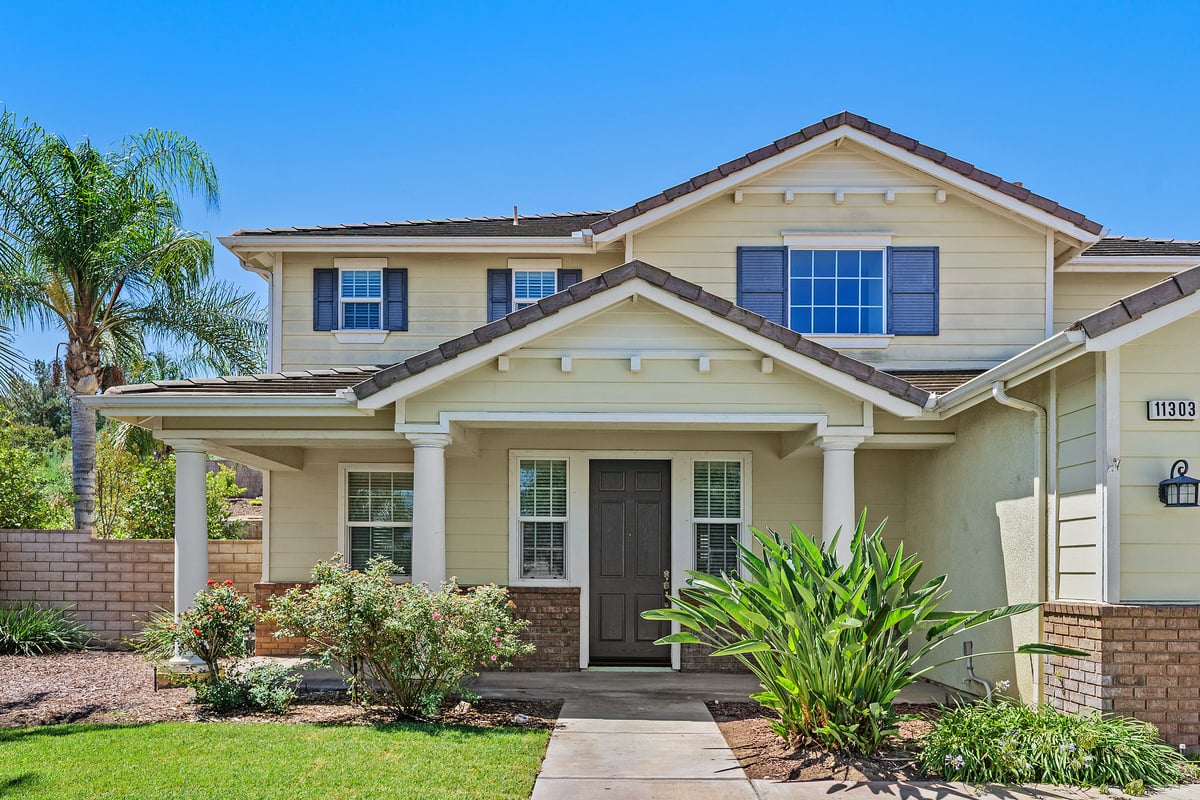
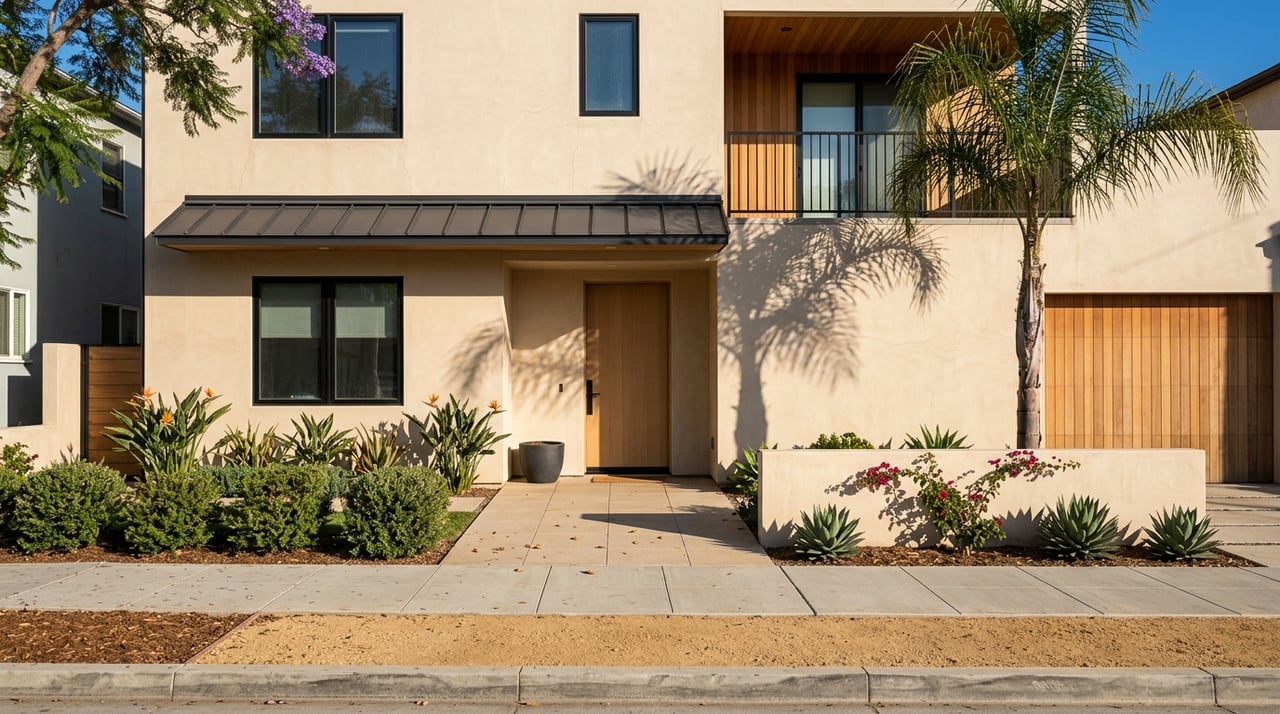
Choosing between a beach bungalow and an inland home in Oceanside is not just about budget. It is about how you want your days to feel, how you plan to get around, and what trade-offs make the most sense for your next chapter. If you are trying to decide where your money works hardest in Oceanside, this guide will help you compare lifestyle, commute, maintenance, and pricing so you can make a confident move. Let’s dive in.
Oceanside offers two distinct living styles
Oceanside is one city, but it does not live like one uniform housing market. Coastal areas such as 92054 and South Oceanside offer a beach-first routine, while inland areas such as 92056 and 92057 usually offer more space and better value per square foot.
That difference matters because your home choice shapes your daily rhythm. In simple terms, the coastal option leans toward walkability, beach access, and a classic Oceanside feel, while the inland option often leans toward flexibility, room to spread out, and a more car-oriented routine.
Beach bungalow benefits in Oceanside
For many buyers, the appeal of a beach bungalow starts with proximity. Oceanside has nearly four miles of coastline, and the city identifies the Pier area as the center of beach activity, with the harbor offering sidewalk strolling, dining, and access to Harbor Beach.
If you picture morning walks by the water, easy surf access, outdoor dining, and being able to bike or walk to parts of your routine, coastal Oceanside delivers that experience. This is the strongest case for paying the coastal premium.
Walkability and biking add daily value
Coastal living here is not only about sand and surf. Downtown trail segments and the west end of the Coastal Rail Trail sit within a few blocks of the Transit Center, which can make beach-adjacent living especially convenient if you like walking or biking for everyday trips.
That kind of access can change how often you use your car. For some households, that lifestyle upgrade is worth as much as the home itself.
Transit can work better near the coast
Oceanside is a major transportation hub. The city says COASTER, Metrolink, Amtrak, the SPRINTER, and the gO’side shuttle all serve Oceanside, and the Oceanside Transit Center has more than 1,200 parking spaces.
If you expect to use transit, bikes, or short local trips often, being closer to downtown, the beach, and the transit center can be a real advantage. The gO’side shuttle also supports easy movement around downtown, including the beach, harbor, and transit hubs.
Inland home advantages in Oceanside
An inland home usually offers a different kind of value. Instead of paying a premium for being close to the shoreline, you are often paying for more usable space and a lower cost per square foot.
That does not mean inland Oceanside feels disconnected. You are still in the same city, still tied to the same broader amenities, and still part of the same North County market. The difference is that your home purchase may buy more interior space or lot flexibility instead of beach immediacy.
Inland value is measurable
Current pricing makes the trade-off clear. Realtor.com places 92054 at $801 per square foot, compared with $538 in 92056 and $484 in 92057.
Using those figures, 92054 is about 49% more per square foot than 92056 and 65% more than 92057. That is one of the clearest ways to understand what you are paying for near the coast.
Inland does not always mean low-priced
It is also important to avoid oversimplifying inland Oceanside. Some inland neighborhoods still command strong pricing depending on housing stock, location, and amenities.
For example, Zillow places Ivey Ranch-Rancho Del Oro at $907,834, which is near some coastal pricing bands. So the better comparison is not “expensive versus cheap.” It is “coastal premium versus inland flexibility.”
Comparing current Oceanside price ranges
Citywide, Zillow reports an average home value of $877,742 and a March 2026 median sale price of $814,500. Realtor.com’s March 2026 city overview shows a median sale price of $859,900.
When you break the numbers into coastal and inland proxies, the premium for beach proximity becomes much easier to see.
Area | Key pricing data |
|---|---|
92054 | Zillow average home value: $1,119,545; median sale price: $1,063,833 |
South Oceanside | Zillow average value: $1.338M; Realtor.com median sale price: $1.60M |
92056 | Zillow average home value: $876,164; median sale price: $855,000 |
92057 | Zillow average home value: $817,766; median sale price: $714,167 |
In home-value terms, 92054 is about 28% above 92056 and 37% above 92057. If your budget stretches into both categories, the real question becomes whether you want to invest that gap into location or into more home.
Think about your real commute
Lifestyle matters, but logistics matter too. Oceanside’s Economic Development Element reported that more than 76% of workers drove alone, average commute distance exceeded 28 miles, and fewer than 3% used public transit. Census QuickFacts now puts Oceanside’s mean travel time to work at 28.7 minutes.
That tells you something practical. Even in a city with strong transit options, many households still live car-first.
Coastal often fits a local, walkable routine
If your routine includes downtown trips, beach access, biking, or transit use, a coastal location may support your habits better. You may be able to simplify parts of your week by being closer to the places you actually use.
This is especially true if you value being near the Pier, Harbor Beach, the harbor district, or the transit center. In that case, paying more can buy convenience as much as scenery.
Inland often fits a car-first routine
If most of your week revolves around driving, school drop-offs, regional commuting, errands, and maximizing space at home, inland may feel more practical. You may give up spontaneous beach walks, but you may gain a layout or price point that fits your household better.
For many buyers, that trade-off is not a sacrifice. It is simply the smarter fit for how they actually live.
Maintenance matters near the coast
Beach homes come with a different upkeep profile. FEMA notes that salt spray from breaking waves and onshore winds can significantly accelerate corrosion in coastal areas.
For you as an owner, that can mean more frequent attention to paint, rails, fasteners, exterior hardware, doors, HVAC components, and drainage. Over time, the coastal lifestyle can come with more maintenance vigilance.
Coastal climate is milder
There is an upside to that environment. NOAA’s California state climate summary says Pacific Ocean moderation gives coastal locations mild year-round temperatures.
If you love a steadier coastal climate, that may be a meaningful quality-of-life benefit. For some buyers, mild temperatures are part of the value equation.
Inland may mean less salt-related wear
Inland locations generally experience a wider temperature range. While that can mean warmer days or more seasonal swings, it may also mean less exposure to salt-related wear and tear.
That does not make inland ownership maintenance-free, of course. It just means the type of maintenance pressure may differ from what you would expect close to the shoreline.
How to choose the right fit
If you are torn between a beach bungalow and an inland home, start with your non-negotiables. Think about how often you would actually use the beach, whether you want to walk or bike for daily routines, and how much value you place on location versus square footage.
Then look honestly at your budget and ownership style. If you are comfortable paying a premium for access, atmosphere, and a coastal routine, a beach bungalow may be the right move. If you want more space, better value per square foot, and a layout that supports a car-first lifestyle, inland Oceanside may give you more of what you need.
The best choice is not the one that sounds more aspirational. It is the one that fits your life now and still feels right a few years from now.
Whether you are weighing a second home near the coast, planning a move-up purchase, or trying to decide how far inland your budget should go, working with local guidance can make the trade-offs much clearer. If you want help comparing Oceanside neighborhoods and finding the right fit for your goals, connect with Graham and Kelly Levine.
FAQs
What is the main benefit of a beach bungalow in Oceanside?
- The main benefit of a beach bungalow in Oceanside is daily access to the coastal lifestyle, including proximity to the beach, harbor, Pier area, walking, biking, and outdoor dining.
What is the main advantage of an inland home in Oceanside?
- The main advantage of an inland home in Oceanside is usually more space and a lower cost per square foot compared with coastal areas like 92054 and South Oceanside.
How much more expensive is coastal Oceanside per square foot?
- Based on current Realtor.com figures in the research, 92054 is about 49% more per square foot than 92056 and about 65% more than 92057.
Is inland Oceanside still expensive in some areas?
- Yes. Inland does not always mean low-priced, and some areas such as Ivey Ranch-Rancho Del Oro still show strong home values.
Does coastal Oceanside work better for transit users?
- It can, especially if you plan to use the Oceanside Transit Center, the COASTER, SPRINTER, Amtrak, Metrolink, the gO’side shuttle, or nearby bike corridors on a regular basis.
Do beach homes in Oceanside need more maintenance?
- In general, coastal homes may need more attention because salt spray and onshore winds can accelerate corrosion, which can affect exterior materials and hardware over time.